Testimonials
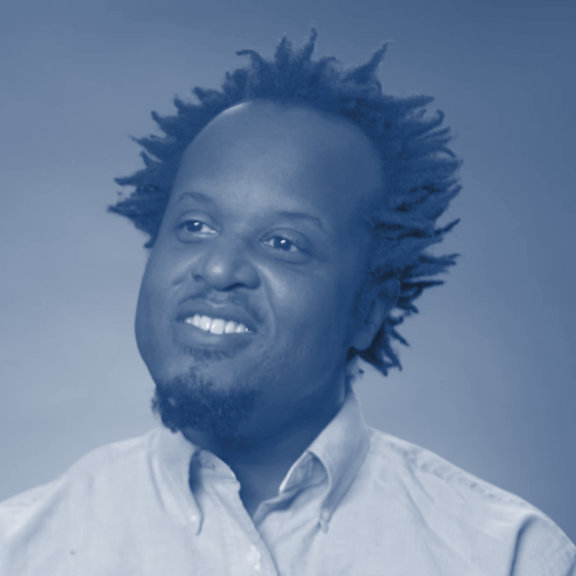
The VLC's given me a chance to reinvent myself. I was in a real bad place, and I've been able to turn my life around, and that's been the biggest miracle of it all. I was homeless. I was incarcerated over and over again. I was addicted to multiple drugs, and I was estranged from my family.
I was definitely going down the path where I probably would not have survived. Not only am I sober, but I'm doing excellent. There's a lot of veterans at risk out there, and there are no programs that are tailor-made for the veteran like this program is. And you can come in here with nothing and then leave with something, something substantial, something that, that's worth living for.

Kyle joined the Army in 2003. He went to Iraq. He saw people bombed, burning, friends blown up. He started taking Percocet because drugs took away the nightmares, and it just kept getting worse and worse. A person told him about the Veterans Life Center, and they took him in. The most important thing is he had psychiatric pediatric counselors, and they took care of all of his needs. The bright star in all this, he now has the coping mechanism because of the Veterans Life Center. It's phenomenal what they can do and have done. It gave me my son back. It gave me my son back.
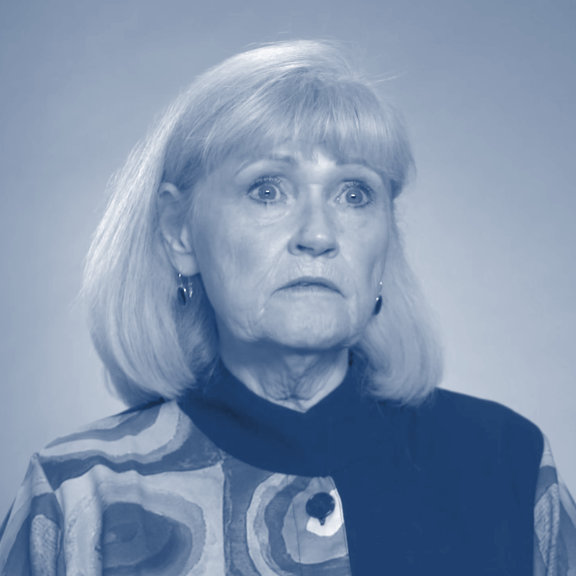
My dad was a World War II vet, served in Italy and North Africa. I have a love and always have had because of my dad's attitude towards the service that he did and what it meant to him. And John Turner's dream just grabbed me. So I pulled out my checkbook that night and, and wrote him the check, and that was the beginning. And we've had some battles, and now we've got a facility, and we've proved to people that one thing, dreams can come true, and that dreams have of results.
And that is to me what sets VLC apart, because we're looking at the whole person, and then also with the objective of taking that person, once we have addressed their mental and physical needs, to help them set a goal to see what their place in a civilian society can be.
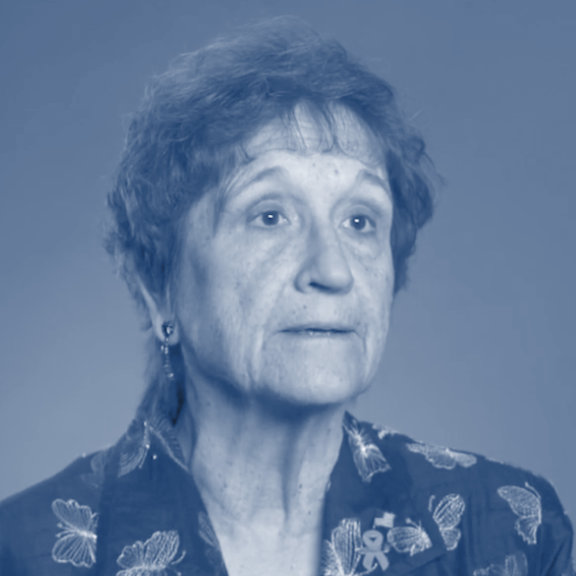
Everybody said it was a good idea, but they would say it's a good idea, let us know how it goes. In terms in terms of facilitating transactions and introductions. And not a lot of people asked us to dance right away. And so we really, it took a number of additional years to build trust in the community.
It was a noble purpose. It really was caring for homeless and at-risk veterans, right? Again, everybody said, that's a great idea. There's a huge need, go get 'em. But then we executed on that.
I get emotional walking through the doors this building that is literally changing lives every day. And that— it's very few things in life are as rewarding as looking back now on what we've accomplished. You know, there's different ways to support homeless and at-risk people, right? Shelter is important, but shelter without transforming lives, without dealing with the fundamental problems, is a Band-Aid. The Veterans Life Center is looking looking beyond all of these, behind all these Band-Aids, right?
The Veterans Life Center is looking to holistically reintegrate veterans into productive society, not menial tasks moving forward, actual, you know, life-changing salaries that support families, that allow them to reinvest in their own communities.
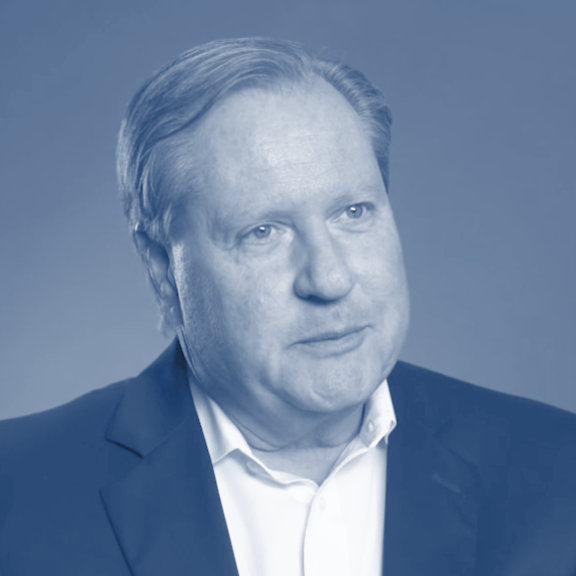
I have two of my kids, one was Marine Corps and the other was a CB in the Navy. I really saw how Only one of my kids, if he didn't have a good infrastructure in place when he got out, I think he could have been on the streets. And I feel for so many of those people that it's such a great service to our country, and then when they're out, they're on their own and there's not a lot of support. So a lot of people find it hard to integrate back in society.
Being on board, you get a front row seat, so you really get to see the veterans and how their lives have changed through this program. And what is really neat to see is, we have veterans that went from homeless to homeownership.. And just to see that camaraderie, all of them have been through the same thing.

It's awesome. It's the rally point for those soldiers lost on the patrol.
It's a place when you get separated from the patrol and you're not, you know, with your buddies, all of a sudden you got to have a place to go. These people are veterans that we needed to care for. They raised their hand and have agreed to do everything for this country, and we owe it to them to do everything we can to make sure they're whole, back to their families, back in productive society. And the VLC is doing exactly that with the wide variety of spiritual and employment and education initiatives. And it's unique.
No one else has a resident facility like this or the type of staff that we have that can really get them marching in the right direction together with the discipline that they saw and thrived on when they were in the military. It's real simple. It's duty, honor, country, the core values of our service. And that's what we thrive on. We do it because we love what we do, but we mainly do it because of the people to our left and to our right that are serving with us.
And that's why VLC is so important. We continue to look to our left and right and see who's there, pick them up and bring them with us. Come on in for the win, we call it. So this is a— it's really a deep, meaningful relationship we have with VLC. It's getting us back into service is what we do.
I think people have, between leaving the military and moving back into civilian world, they've lost purpose and they've lost their identity. If they are really serious about getting the mental health treatment, getting the emotional support, and allowing the VLC staff to sort of walk with them, chances are they're going to find themselves again. It reminds me of an old church hymn, Amazing Grace. I once was lost, but now I'm found. I was blind, but now I see.
The Veterans Life Center can be a life-changing opportunity for veterans who come here. They can come here lost, but they can get found. You can see such a transformative difference in their lives. These men and women served our country, and they deserve this. They deserve a place like Veterans Life Center that if life got off track, we're here to help them get back on track.
We don't want people to simply survive. We want people to thrive.
While serving in the Air Force, my day-to-day work involved working in outpatient clinics with a focus on addictions, where we worked with service members, we worked with retirees, as well as family members. Once individuals got out of the uniform, what I've noticed over the years is that the majority of individuals that we serve here, they've lost their identity, they've lost their purpose. We're very fortunate here at the VLC that we have a unique staff.
They look at this not as a job, but as a calling, and if people feel safe they feel understood, that creates a foundation that individuals can really build some life-changing experiences as well as opportunities on top of that. Veterans deserve an opportunity to live their best life because of the fact we're part of a small fraternity. We raised our hands to say we will, and that statement of we will can mean a lot of things. It can mean that when we walk away out of the uniform, be it 2 years or 22 years, we tend to walk away walk away with invisible wounds. Wounds that are— could be physical, they could be emotional, but either way, they are life-changing.
But we still hold our heads high. A lot of us are proud of the work that we've done while serving our country, and the truth is most of us continue to serve our nation. It's just in other ways.
If someone really is struggling and they want an opportunity to change their lives, reach out to somebody, and most importantly, don't give up.
Because as veterans, that's one thing that we learn from day one, is that we adapt, we adjust, and we overcome.
I don't think I would be alive today if it wasn't for the soldiers that I served with in Iraq. Over there, if somebody was in trouble or injured, everybody would run through bullets and gunfire to help that person. So now that we're back home, when you see another veteran hurting, why wouldn't you go out of your way to help them?
I served in the U.S. Army as a Patriot missile operator. After getting out of the Army, I had a few, you know, minimum wage jobs.
COVID happened, pandemic hit, and You know, I found myself unemployed, running out of money, eventually living in a tent behind a Walmart. I resorted to trapping squirrels at times for food. Well, the VLC essentially, it saved me. At the time I was broke, homeless, shelterless. They provided me with shelter and nutrition.
They afforded me an opportunity to seek mental health support, work on my degree in music production. I had guidance building and formulating my own business model, business plan. With the help of the VLC, I've been able to form my own company, start up a recording studio in Atlanta, and I'm building a reputation for myself there as an audio engineer. The VLC does so much and works so hard to help veterans because it's run and it's been founded by veterans. All they want to do is make sure that their brothers and sisters in arms are able to succeed and thrive.
One of the things I'm very proud of that we do at the Veterans Life Center is we treat the whole Veteran as a person. We don't just say, "Oh, you have a substance abuse disorder.
Oh, you have behavioral health. Oh, you have mental health, PTSD, depression, anxiety." We say, "What do you as a person need?" And we craft a plan. How are we going to improve your physical health, your mental health, your behavioral health, and your vocational training so that you can live the life that you want to live? We don't see them with the challenges they have today. But we see who they can become and we help them become that person.
I'm an Iraq veteran, and I don't think I would be alive today if it wasn't for the soldiers that I served with in Iraq. So over there, if somebody was in trouble or injured, everybody would run through bullets and gunfire to help that person. So now that we're back home, when you see another veteran hurting, why wouldn't you go out of your way to help them? The Veterans Life Center, where one veteran at a time, together with your referrals, we can change hundreds of veterans' lives over the coming years.
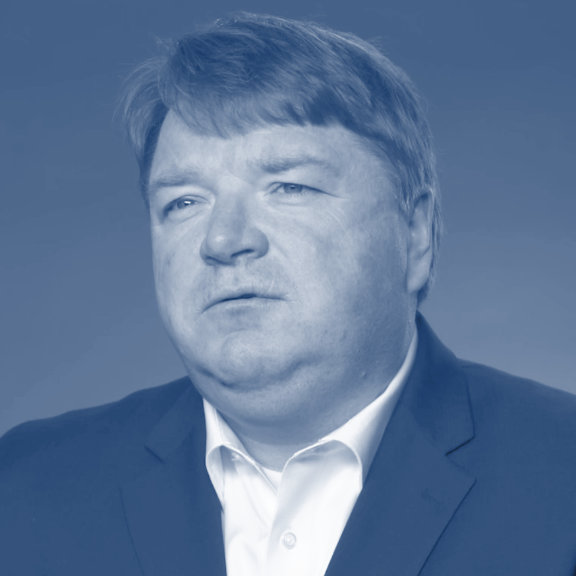
My first experience with the VLC is when John Turner came up with a great plan, and that's why we supported funding back when I was Speaker of the House, and that's why I continue to work in Veterans Affairs, because it's unlike any other program that I'm aware of in the United States. This is really getting to the root challenges that many of these service members have, the visible and invisible wounds of war. That's what the VLC does, and that's what we need to offer to every man or woman who served in uniform and come back and are experiencing similar challenges.
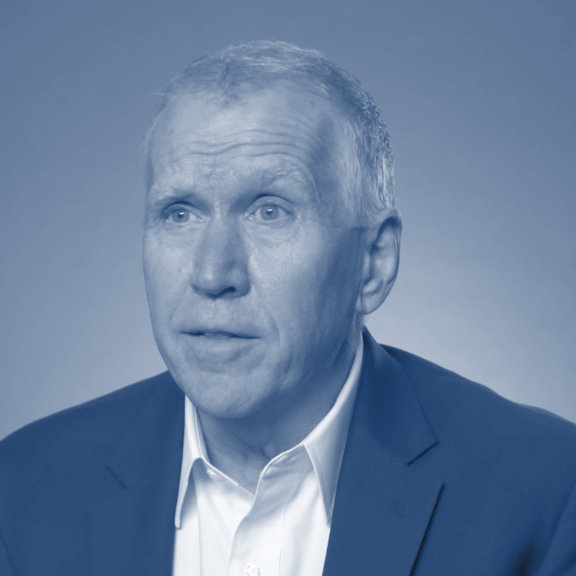
I did the United States Marine Corps, Operation Iraqi Freedom 1 and 2. Ran into some problems and I ended up being homeless.
And I got in trouble with the alcohol and some other mental issues. They sent me over to the Veterans Life Center. They believe in you making a better life, but you got to be ready for a change. Being a veteran around veterans and having that same community and that brotherhood It made it easier. And now I get to see my son, to see his smile on his face, and I'm happy that I'm in a better spot to be part of his life.